
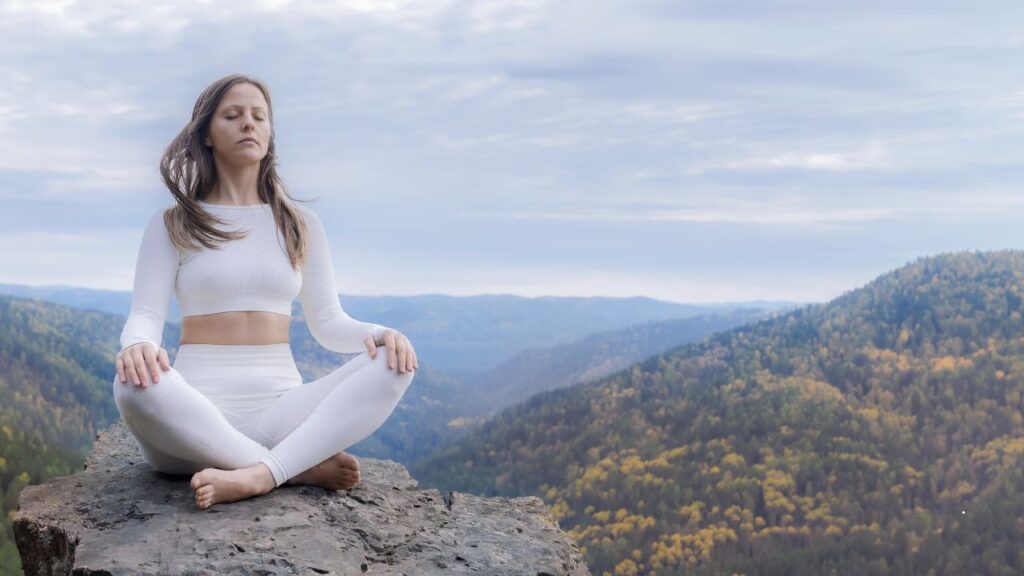
A yoga retreat package is a structured immersion programme — typically 5 to 21 days — that combines daily yoga practice with accommodation, meals, and guided instruction at a dedicated retreat venue. Yoga retreat packages produce measurably greater improvements in strength, flexibility, and stress reduction than an equivalent period of studio practice: a 2019 study in the International Journal of Yoga found that a 7-day residential yoga programme improved flexibility scores by 35% and reduced perceived stress by 31% — results that require 8–12 weeks to achieve in a weekly class setting. À La Carte Travel Concierge plans and books personalised yoga retreat packages matched to your style, level, travel dates, and budget across destinations including Bali, India, Costa Rica, and Portugal.
What Are the Main Styles of Yoga Retreat and Which Is Right for You?
The main yoga retreat styles are differentiated by their primary practice method, physical intensity, and therapeutic focus. The three most widely offered residential yoga retreat styles are Hatha, Vinyasa, and Ashtanga — each drawing from distinct lineages within the classical Hatha tradition.
| Style | Pace | Intensity | Primary Focus | Best For |
|---|---|---|---|---|
| Hatha | Slow to moderate | Low–Moderate | Alignment, breath, foundational postures | Beginners; stress recovery; mature practitioners |
| Vinyasa | Flowing, continuous | Moderate–High | Movement-breath coordination; creative sequencing | Intermediate practitioners; cardiovascular fitness |
| Ashtanga | Set sequence, vigorous | High | Fixed primary series; strength and stamina | Experienced practitioners; disciplined daily practice |
| Yin | Very slow; long holds (3–5 min) | Low | Connective tissue; deep release; nervous system | Stress recovery; burnout; chronic tension |
| Restorative | Passive; fully supported postures | Very Low | Parasympathetic activation; deep rest | Post-illness recovery; exhaustion; anxiety |
| Kundalini | Varied; includes breathwork and chanting | Moderate | Energy activation; nervous system regulation | Spiritual development; emotional processing |
What Does a Typical Yoga Retreat Day Look Like?
A typical yoga retreat day follows a structured schedule designed to align practice with the body’s natural energy rhythms. The schedule below is representative of a 7-day residential yoga retreat in Bali or India.
| Time | Activity |
|---|---|
| 6:00 AM | Morning pranayama (breathwork) and meditation — 45–60 minutes |
| 7:00 AM | Morning yoga practice (Hatha, Vinyasa, or Ashtanga) — 90 minutes |
| 9:00 AM | Breakfast — plant-based or whole food menu |
| 10:30 AM | Workshop or philosophy session — anatomy, yogic philosophy, or pranayama theory |
| 1:00 PM | Lunch and free time — pool, rest, journalling, or excursions |
| 4:30 PM | Afternoon yoga — Yin, Restorative, or guided meditation — 75–90 minutes |
| 7:00 PM | Dinner — shared meal; some retreats include evening satsang (discourse) |
| 9:30 PM | Lights out — early schedule requires early sleep for full recovery |
What Should You Look for in a Yoga Retreat Package?
The quality of a yoga retreat package is determined by five factors: teacher credentials, programme structure, venue environment, group size, and post-retreat support. Each factor determines whether the programme delivers lasting change or a temporary improvement that fades within weeks of returning home.
The five quality indicators of a high-value yoga retreat package are listed below.
- Teacher credentials: Yoga Alliance RYT-200 certification is the baseline minimum for group retreat teaching. RYT-500, E-RYT-200 (Experienced — indicating 1,000+ teaching hours), and lineage-certified teachers (Iyengar, Ashtanga Mysore, Krishnamacharya) represent a higher standard of instruction. Ask for credentials before booking.
- Programme structure: A well-designed retreat has a clear progressive arc — earlier sessions building the foundation for deeper work in later days. Retreats that offer the same session format every day without progression are less effective than those with an intentional curriculum design.
- Venue environment: The physical setting directly affects physiological outcomes. Natural environments — ocean views, forest surroundings, mountain air — measurably enhance the nervous system benefits of yoga practice (Park et al., 2010). Open-air shalas (yoga platforms) with natural ventilation produce better practice conditions than air-conditioned studio spaces.
- Group size: The optimal group size for personalised instruction is 8–16 participants. Retreats with more than 20 participants reduce the teacher’s ability to provide individual adjustments and feedback.
- Post-retreat integration: The best programmes provide a home practice plan, reading list, or post-retreat community to sustain the progress made during the immersion.
How Much Does a Yoga Retreat Package Cost?
Yoga retreat package costs vary by destination, accommodation standard, duration, and programme depth. The price ranges below represent typical market rates as of 2024–2025 for internationally recognised programmes in each tier.
| Tier | 7-Day Cost (per person) | 14-Day Cost (per person) | Typical Inclusions |
|---|---|---|---|
| Budget | $500–$900 | $900–$1,600 | Shared accommodation, vegetarian meals, 2 daily classes |
| Mid-range | $1,200–$2,500 | $2,200–$4,500 | Private or semi-private room, all meals, workshops, excursions |
| Premium | $2,800–$5,000 | $5,000–$9,000 | Private villa or luxury room, all meals, spa access, personal sessions |
| Luxury | $5,000–$12,000+ | $9,000–$20,000+ | 5-star venue, private transfers, bespoke curriculum, concierge service |
What Are the Best Destinations for a Yoga Retreat?
The best yoga retreat destinations combine a strong local tradition of practice, experienced resident teachers, and natural environments that support nervous system restoration. The four destinations most consistently rated by international practitioners are Bali (Indonesia), Rishikesh (India), Costa Rica, and the Algarve and Alentejo regions of Portugal.
The defining characteristics of each destination are listed below.
- Bali, Indonesia: The world’s single largest concentration of yoga retreat venues — estimated at over 500 registered retreat programmes operating in Ubud alone. Bali’s Hindu spiritual culture, rice-terrace landscapes, and year-round tropical climate (27–32°C) create an environment that aligns naturally with yogic practice. Peak season: May–October. Average mid-range 7-day retreat cost: $1,400–$2,200.
- Rishikesh, India: The origin city of the modern global yoga movement; home to over 200 registered yoga schools and the Parmarth Niketan, Sivananda, and Rishikesh Yog Peeth ashrams — all internationally recognised institutions. Daily Ganga Aarti ceremonies and Himalayan surroundings make Rishikesh the deepest immersion available in the classical tradition. Average mid-range 7-day retreat: $700–$1,400.
- Costa Rica: The fastest-growing yoga retreat destination in Latin America; concentrated in the Nicoya Peninsula (designated Blue Zone — one of five global regions with the highest longevity rates), Santa Teresa, and Manuel Antonio. Combines yoga with surfing, jungle, and Pacific beach environments. Average mid-range 7-day retreat: $1,500–$2,800.
- Portugal: Europe’s leading yoga retreat destination, concentrated in the Algarve, Alentejo, and Sintra regions. Portugal’s temperate climate (year-round mild temperatures), cork forest and Atlantic Coast landscapes, and significantly lower cost base than other Western European destinations make it the most accessible premium yoga retreat destination for European and transatlantic travellers. Average mid-range 7-day retreat: $1,200–$2,400.
“A retreat is not a holiday from your practice. It is a period of accelerated development that compresses months of progress into days.”
— B.K.S. Iyengar, Light on Yoga (1966)
How À La Carte Travel Concierge Plans Your Yoga Retreat
À La Carte Travel Concierge is a woman-owned San Antonio luxury travel concierge agency — founded by Ana and Stephanie, with over 60 years of combined global travel expertise — that plans and books personalised yoga retreat packages as part of its bespoke travel planning service. Every retreat journey is designed around your specific goals, yoga style preference, experience level, travel dates, dietary requirements, and budget. Ana and Stephanie handle venue research, programme vetting, booking, travel logistics, visa guidance, and pre-departure preparation.
How the Retreat Planning Process Works
The yoga retreat planning process follows three stages. The first is a free 30-minute consultation to establish your goals, style preference, experience level, destination interest, and budget. The second is a personalised shortlist of 3–5 vetted retreat programmes delivered within 48 hours of your consultation. The third is full booking support — handling all reservations, payment logistics, and pre-departure orientation so you arrive prepared.
Book Your Free Yoga Retreat Consultation
Every yoga retreat journey begins with a conversation. Contact Ana and Stephanie here or schedule your free 30-minute consultation directly to begin planning a yoga retreat package matched precisely to you.
Already know what you are looking for? Send the team your destination, dates, and style preference and they will respond within 24 hours with tailored options.